2025
Essen, Germany
In frame of City of Play project
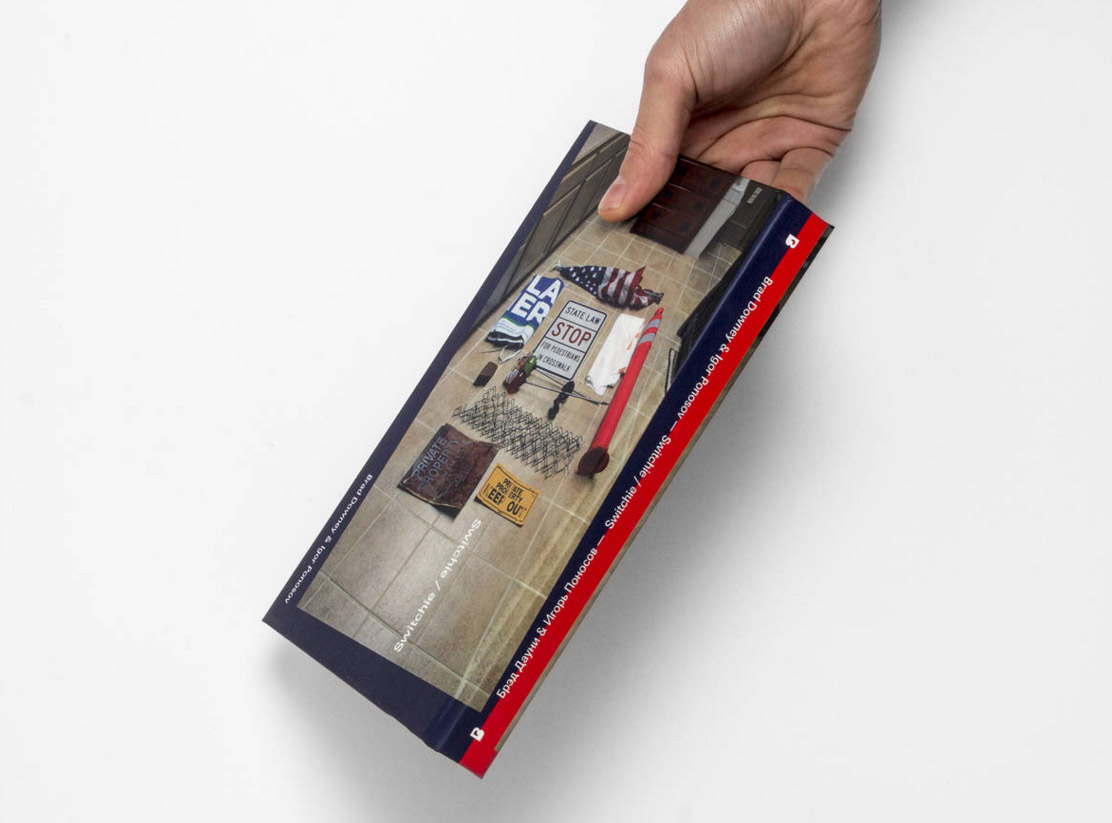
In collaboration with Brad Downey
Brad Downey from the USA and Igor Ponosov from Russia lead a Summer School program inspired by their unlikely friendship, helping participants explore self-identity through collective artistic work rooted in everyday life. The program draws on clichés and the polarizing political dynamics between their respective countries and broader national identities. Within these themes, the artists encourage students to fully express themselves, creating a space where the boundaries between art, politics, and daily life become fluid and open to interpretation.
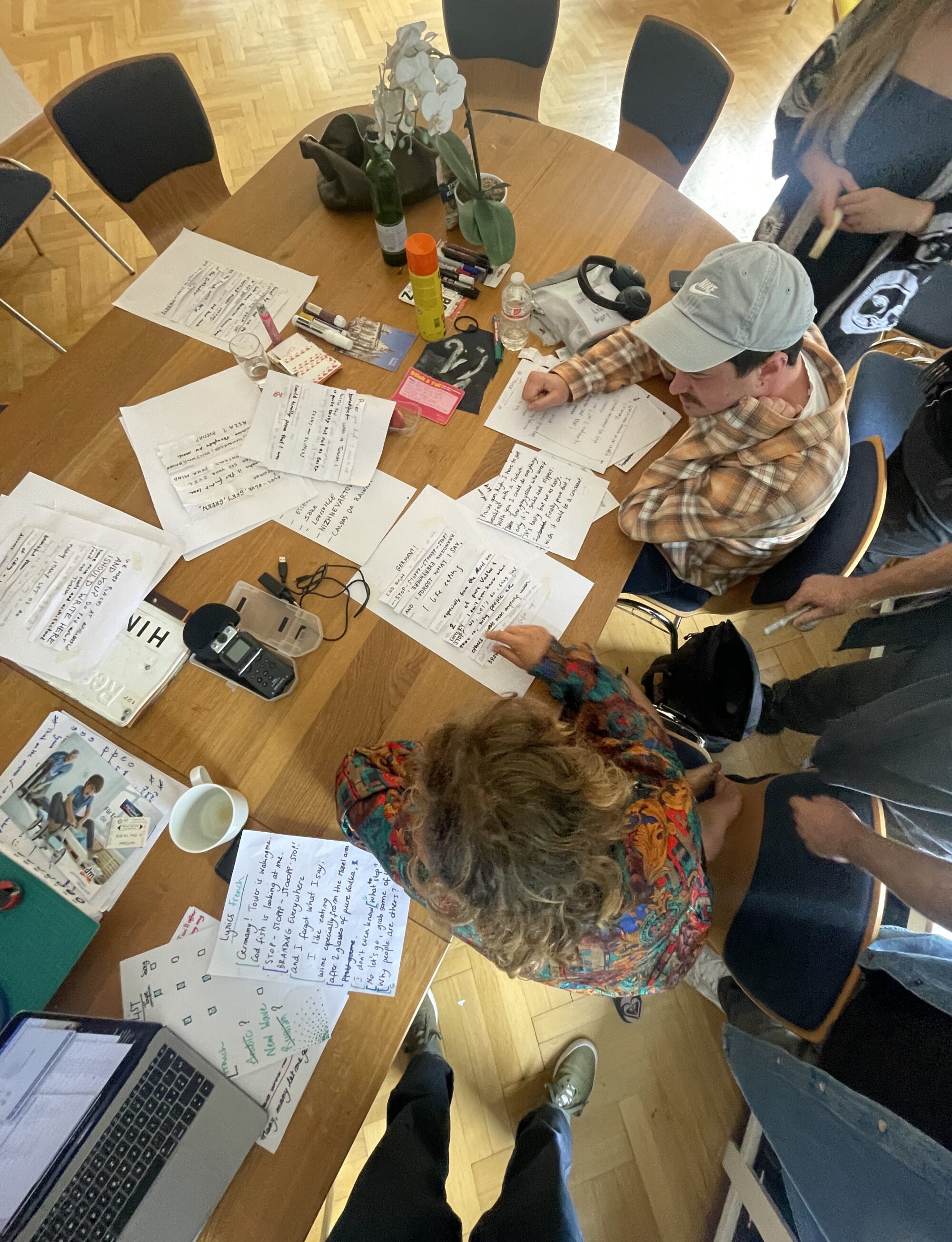
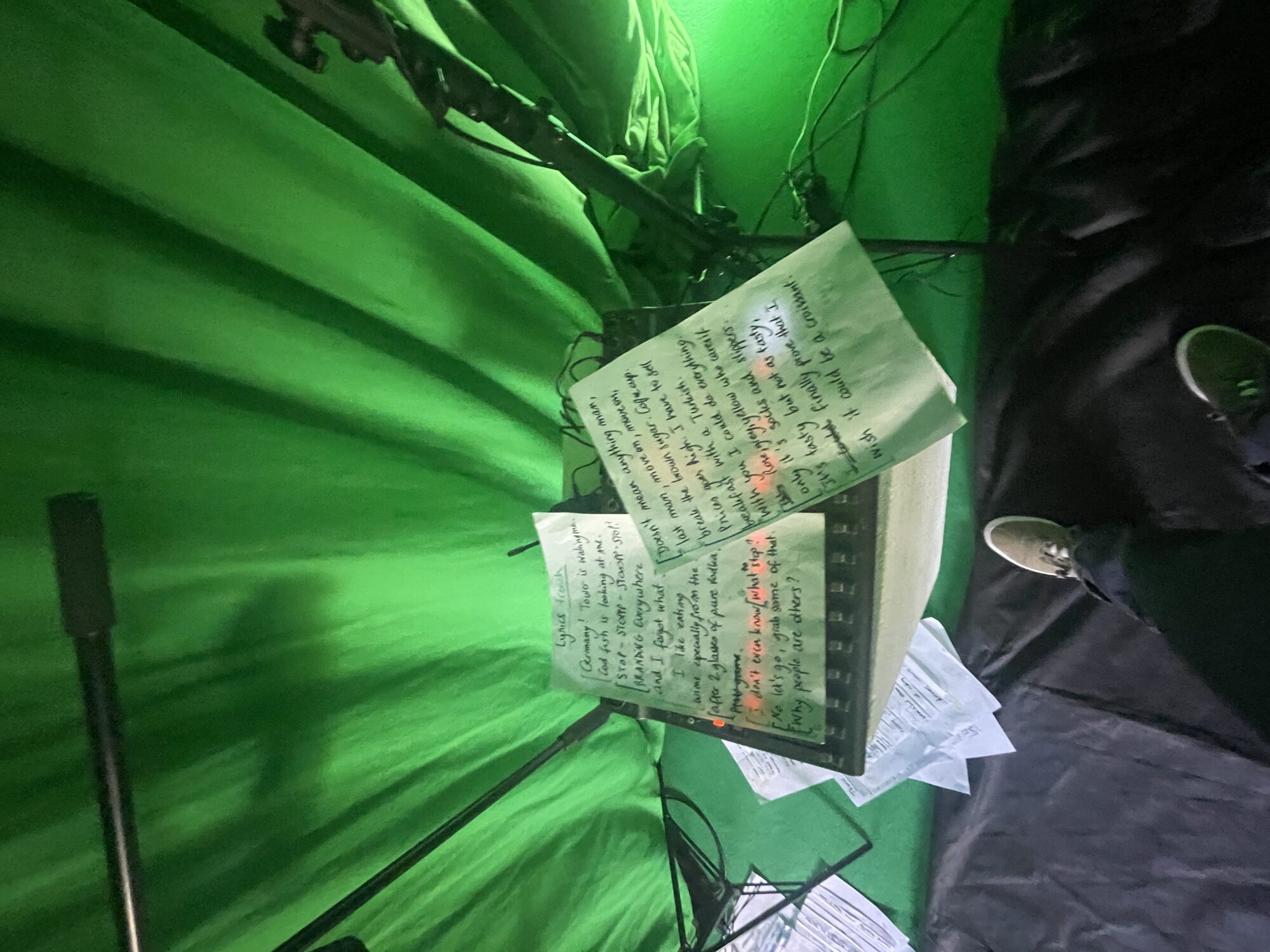
Starting with the Cadavre Exquis, we physically and metaphorically pieced together our diverse perspectives into a single, absurd body of work. This collective creation—first on paper, then in text, song, and finally in public interventions—was a process of building a common language. By using national clichés as our raw material, we didn’t reinforce them; we dismantled them through humor and collaboration.
The city itself transformed through this lens. A shopping mall ceased to be just a temple of consumption and became a stage for surreal social interactions. A cafe became a gallery and Scene. This fluidity is the core strength of City of Play. It empowers participants to become active agents in their urban environment, to re-imagine and re-purpose the familiar spaces of everyday life. It proves that art doesn’t need a white cube; it can happen in the «in-between» moments and locations, creating a sense of ownership and agency.
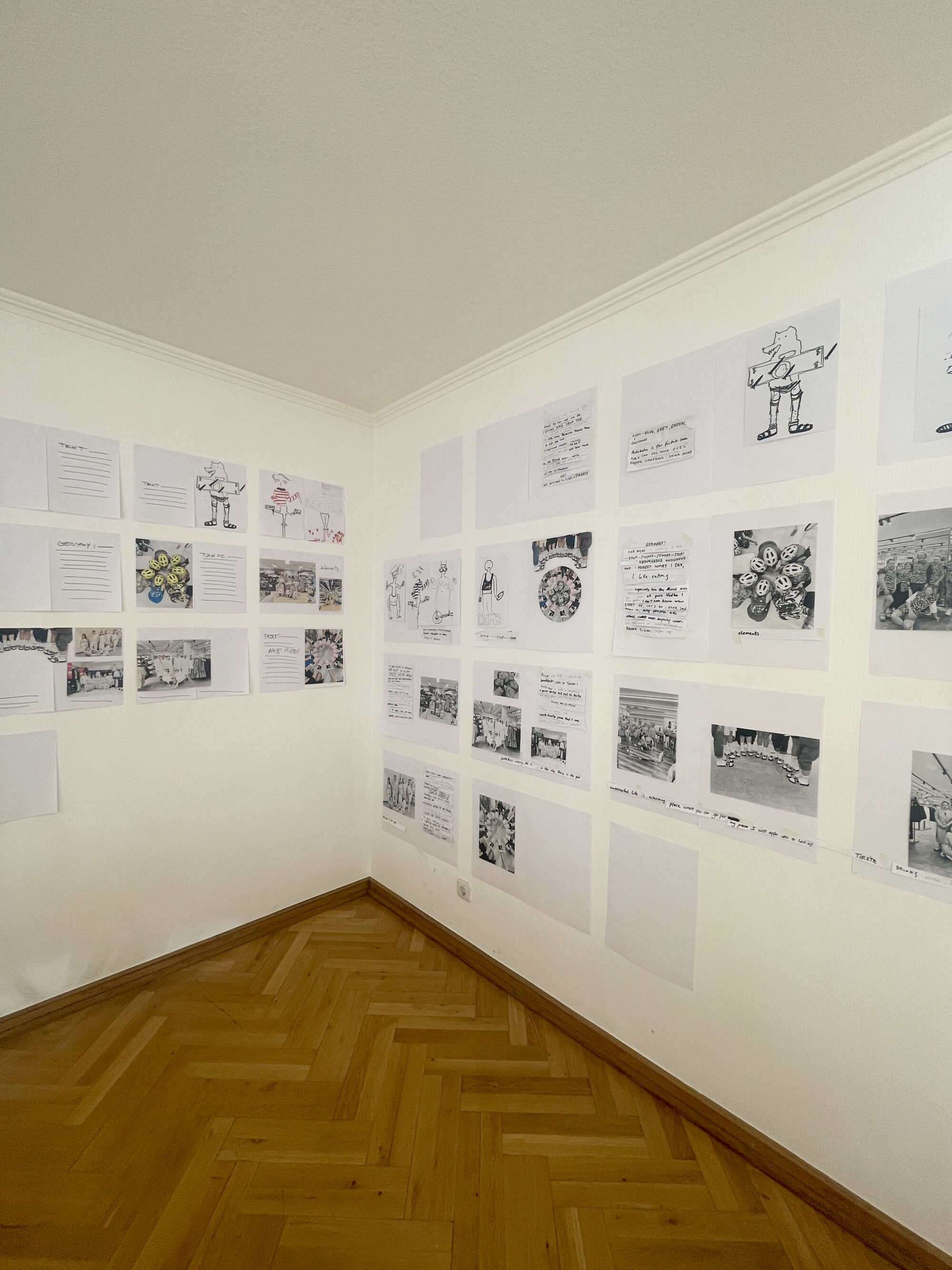
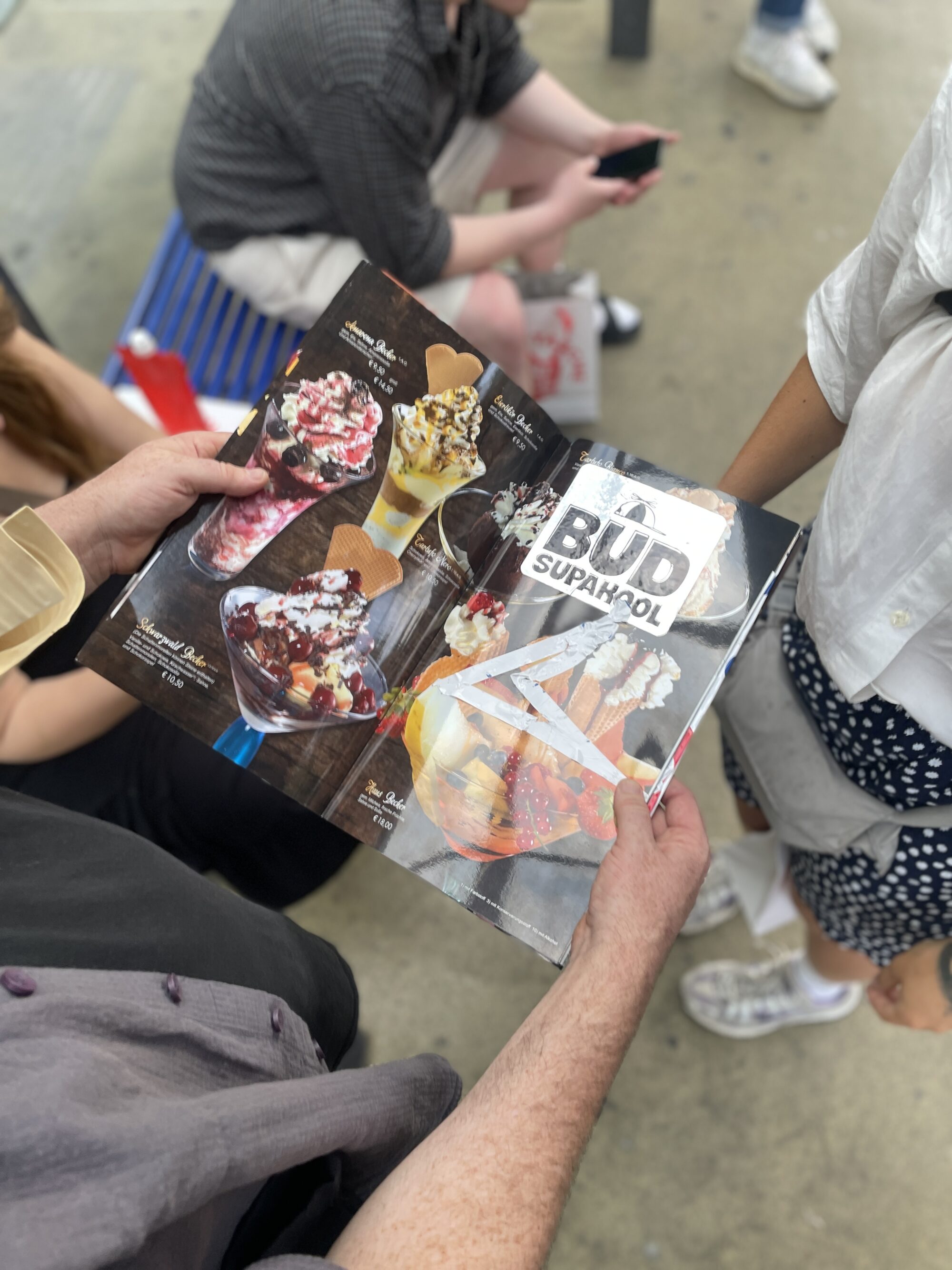
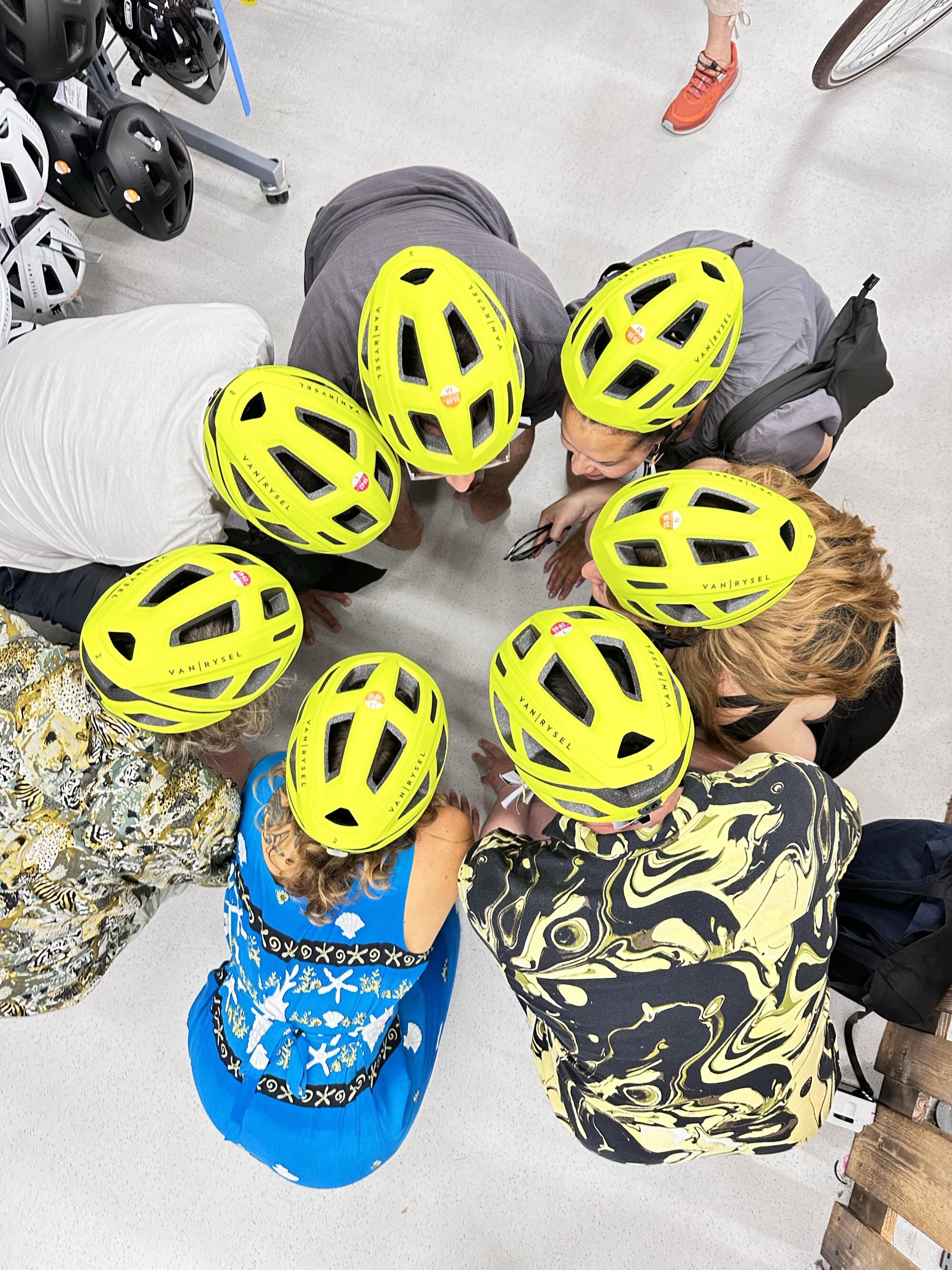
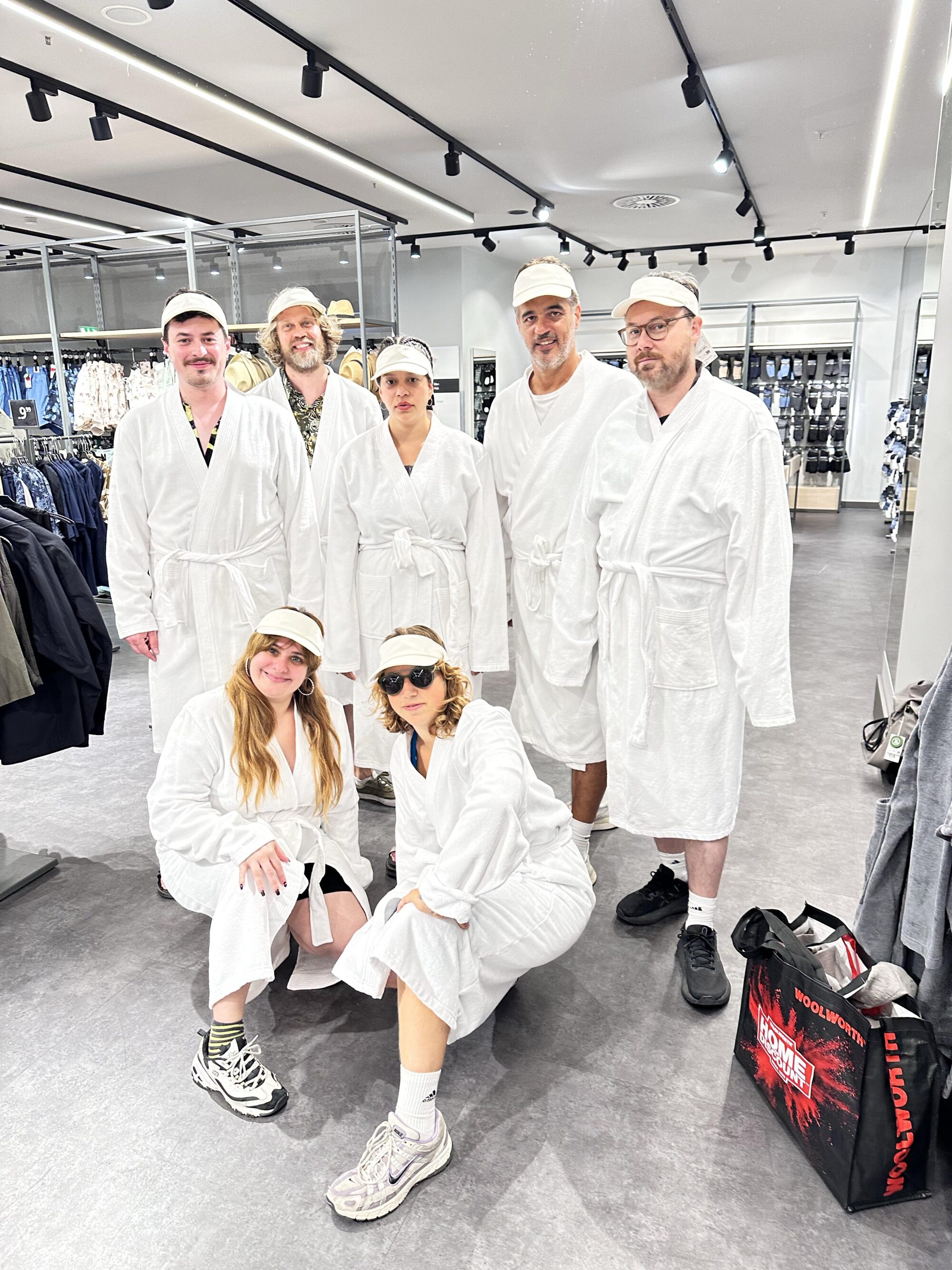
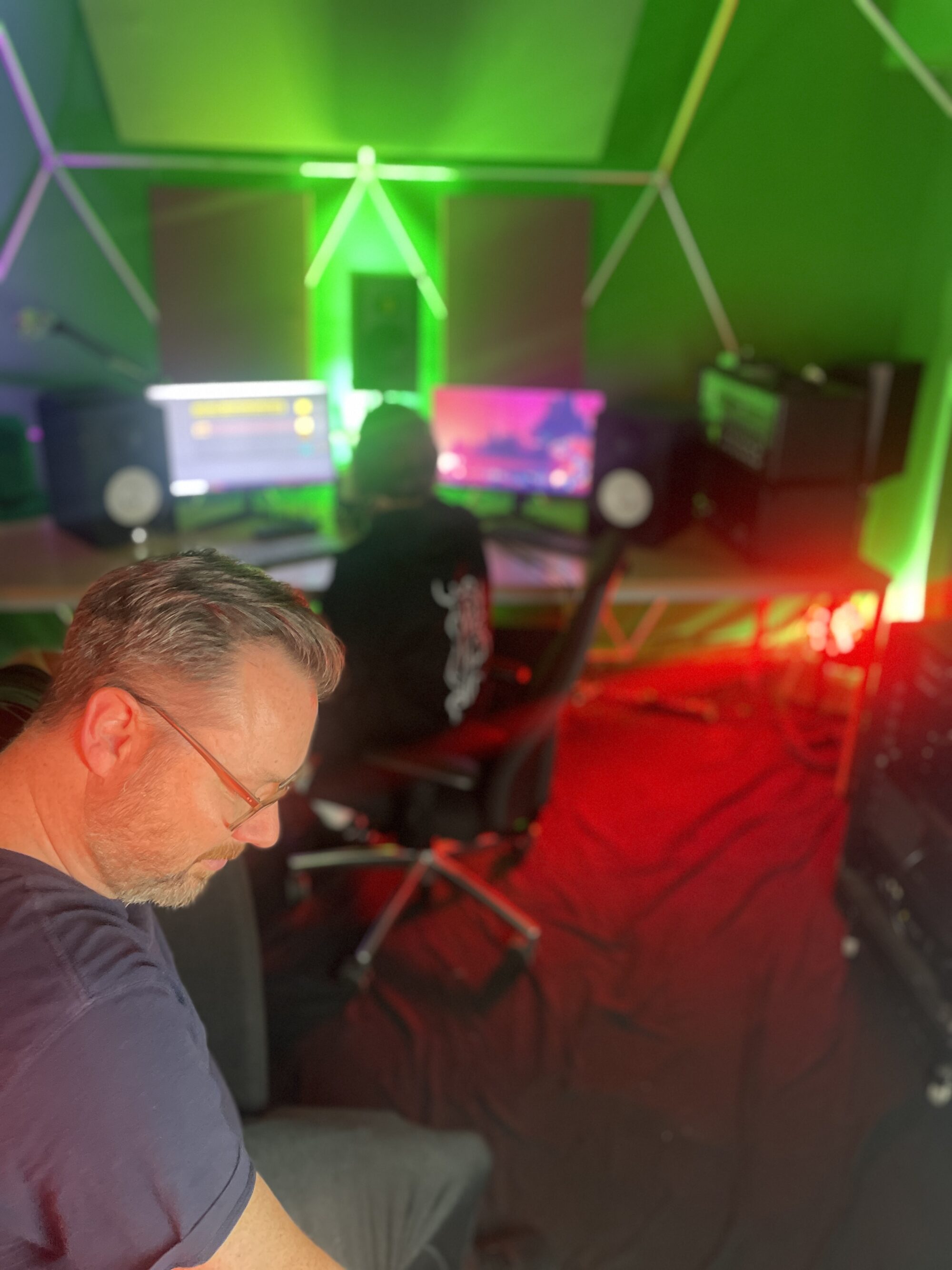
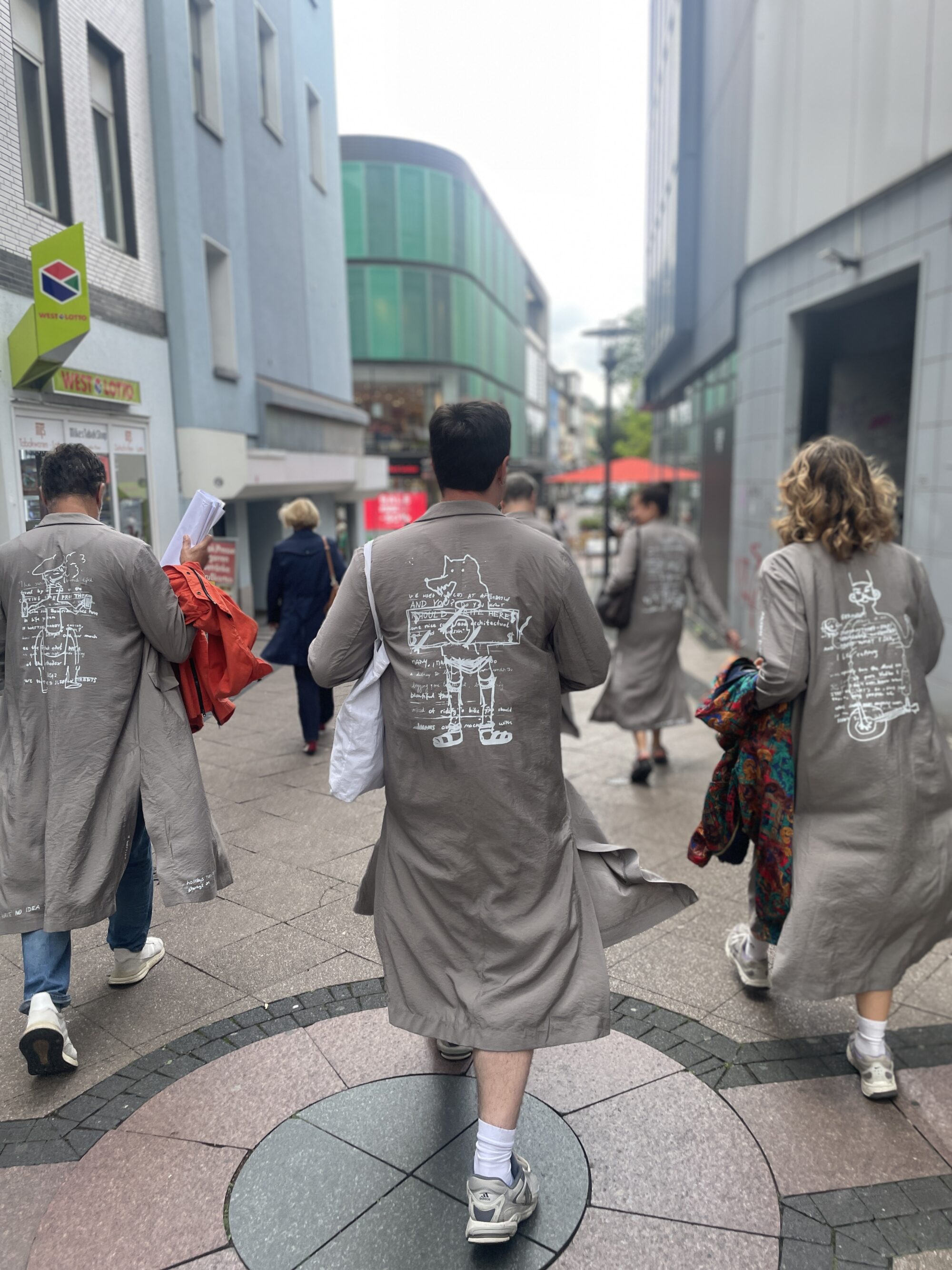
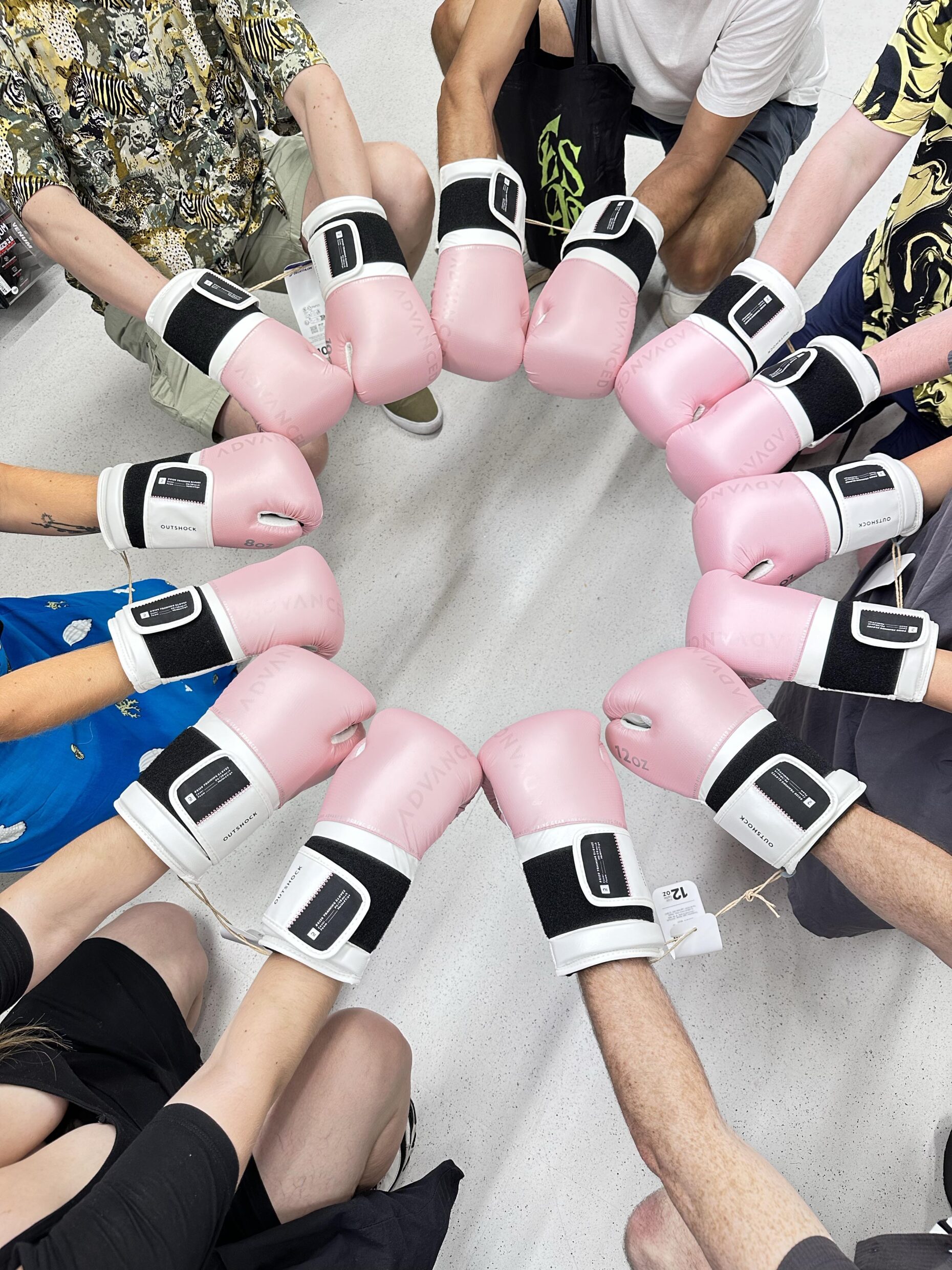
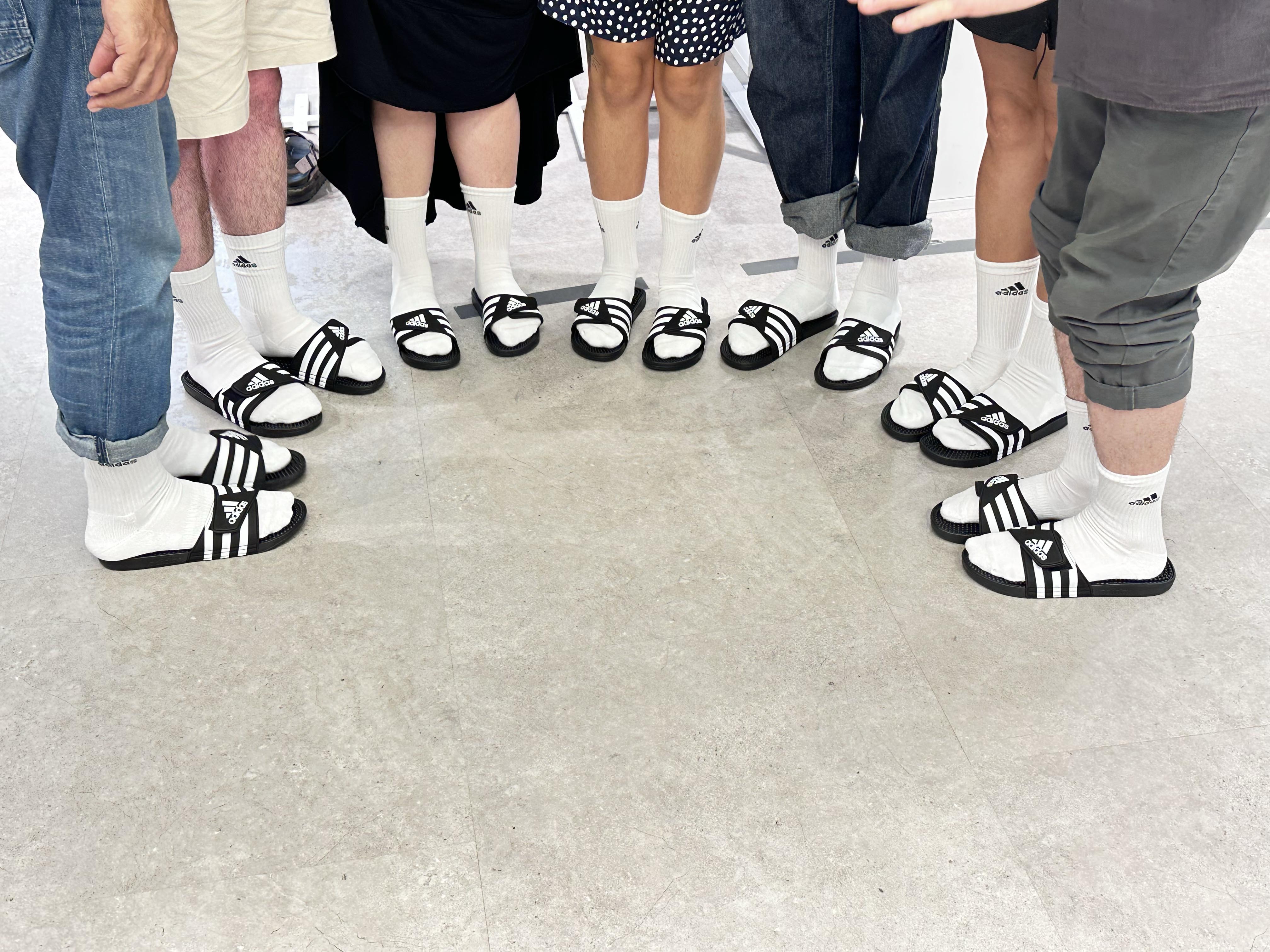
Furthermore, the program fosters a unique form of community. The collective, goal-oriented nature of play quickly breaks down social barriers. Our group of international participants became a tight-knit «temporary art collective» within days, united by a shared mission to inject playful absurdity into the city. This model of community-building—based on doing and creating together—is incredibly effective and leaves a lasting impact on everyone involved.
In conclusion, our experience with City of Play was a testament to the idea that a playful city is a more human, resilient, and creative city. It offers a necessary alternative to the often alienating and commercialized urban experience. By championing this approach, the program doesn’t just host events; it cultivates a mindset. It encourages citizens to see their city not as a fixed backdrop, but as a malleable, responsive partner in the ongoing art of everyday life.
During the workshop we made three songs:
* Ottoman Autobahn
* Coucou ça va?
* We don’t want to sleep in the streets
Thanks to Mathieu Tremblin and Margrit Miebach for curating and to all participants: Eylem Eylül Acarsoy, Jürgen Dechert, Laura Beya, Paulo Silva, Eugenie Hoff.